


The Tax Sale Surprise: How Mary Recovered Hidden Equity She Didn't Know Existed
A real-world surplus funds case study about discovering money after a tax sale
For most homeowners, a Tax Sale feels final. The property is gone, the deed is recorded, and it is natural to assume any remaining equity disappeared with it.
But that is not always true.
In some cases, money is left over after the tax debt and related costs are paid. Those funds may still belong to the former owner. That is where Surplus Funds come in.
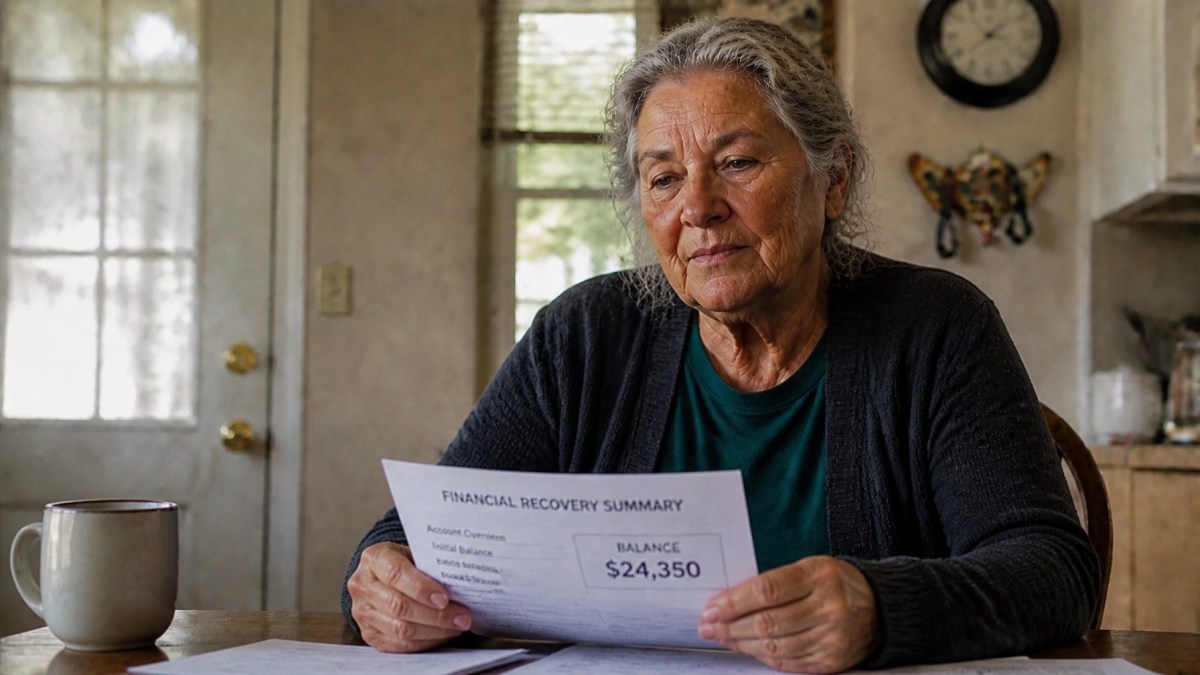
This is the story of Mary, who believed everything was lost after her property was sold. Later, she discovered that money connected to the sale may still have been waiting to be claimed.
Mary's Story: From Skepticism to Relief
Mary did not know Surplus Funds existed. After losing her property over unpaid taxes, she moved forward with her life and assumed that was the end of the matter.
Then she learned there might still be money tied to the sale.
When our team reviewed the Public Records, we found funds that appeared to be available for claim.
The Initial Skepticism
Mary was skeptical at first, and that reaction made sense.
If someone tells you there may be money waiting with your name on it, your first thought is often scam, not opportunity.
After we explained the claim process and reviewed the situation at a high level, Mary began to understand that the opportunity was legitimate and worth exploring.

Navigating the Maze
Once Mary understood the opportunity, the next step was the non-judicial claims process.
Non-judicial means the process happens outside a courtroom, usually under strict administrative rules. That may sound simpler, but the paperwork still has to be accurate. If a deadline is missed or a form is completed incorrectly, recovery can be delayed or the claim may be lost.
What Exactly Are Surplus Funds?
A Tax Sale happens when a property is sold to cover unpaid taxes. If the property sells for more than the debt, fees, and allowed costs, the extra money may not simply disappear.
- Tax Debt + Fees $50,000
- Final Sale Price $225,000
Possible Surplus Funds: $175,000
That $175,000 difference may be called Surplus Funds, Excess Proceeds, or Tax Sale Overages.
The Rule of Priority
Surplus Funds do not always go directly to the former owner. Claims are generally reviewed according to legal priority.
- The Taxing Authority The unpaid tax debt, sale expenses, and permitted fees are paid first.
- Lienholders Other recorded claims may be considered next, including certain Financial Institutions, judgment creditors, or other lienholders.
- The Former Owner Whatever remains may belong to the person who owned the property at the time of the sale, subject to the applicable claim rules.
The Legal Landscape: Your Right to Equity
The right to excess equity is not merely a courtesy. It can be a legal property-rights issue. In 2023, the U.S. Supreme Court confirmed that a government entity cannot simply keep surplus equity after the tax debt has been satisfied.
Important: Find your loan and lien documents. Other recorded claims may reduce the amount you are eligible to recover.
If/Then: Understanding the Possible Outcomes
If you do nothing before the deadline...
Then the funds may eventually be transferred, escheated, or otherwise become harder to recover.
If you file a complete and timely claim...
Then you may recover money that rightfully belongs to you.
If other liens or competing claims exist...
Then those claims may need to be reviewed or resolved before funds are released.
Why Time Matters
Deadlines are strict in Surplus Funds cases. Some claim windows may last years, while others may be much shorter.
Do not assume a notice will reach you. In many cases, correspondence is sent to the property address instead of the former owner's current address.
Life After Recovery: The “Breathing Room”
When Mary received her funds, the main feeling was relief.
She used the money for:
- Home Repairs Addressing improvements that had been postponed.
- A Long-Awaited Family Vacation Creating time and memories with her family.
- Savings Building a stronger financial cushion for the future.
“This has given me some breathing room for the first time in a long time,” Mary shared. “I didn't think I had anything left from that house. I am so thankful.”
Steps You Should Take Right Now
If you lost a property through a tax sale or foreclosure, do not assume there is nothing left. Here is how our team can help you navigate the process:
- We Search Public Records Our team reviews auction and sale records that may show a surplus.
- We Calculate the Overage We compare the sale price with the debt, taxes, fees, and other amounts that may have been paid.
- We Identify Potential Liens We check for other recorded claims that could affect the amount available for recovery.
- We Provide Professional Guidance We help organize the claim process and reduce avoidable delays caused by incomplete or incorrect paperwork.
Do Not Leave Your Money on the Table
If a property sold for more than the taxes, debt, and permitted costs, there may still be equity available. The key is identifying the funds and taking action before the applicable deadline passes.
Find Out Whether Funds May Be Waiting
Learn more about how we identify Surplus Funds and help clients navigate surplus recovery, probate questions, lien issues, and supporting documentation.
These case studies are based on real-world situations. Names and certain details have been changed to protect the privacy and confidentiality of those involved.